Inclusive Learning for CWD and Families
Why
Children and persons with disabilities in rural communities often face exclusion not because of their abilities, but because their environments, services, and learning systems are not designed for them. Many families struggle with unsafe housing, limited mobility, fragmented services, and a lack of practical guidance on how to support learning and daily life at home.
Despite legal rights to education and services, access remains uneven—especially for families living in poverty or remote areas. Without early support, safe environments, and coordinated care, children with disabilities risk lifelong exclusion from learning, independence, and community participation.
Foundation for Community Soul works to close this gap by bringing learning and support back to where life actually happens: the home, the family, and the community. Inclusive learning is essential not only for child development, but for dignity, autonomy, and long-term well-being for persons with disabilities and those who care for them.
What we will do
FCS strengthens inclusive learning for children and persons with disabilities and their families by:
- Improving access to learning in home and community settings
- Supporting families as primary partners in care and learning
- Strengthening daily living skills, functional abilities, and participation in community life
- Ensuring children and persons with disabilities can grow, learn, and live safely with dignity
Our work focuses on both children with disabilities and persons with disabilities across the life course, recognizing that learning, independence, and support needs continue beyond school age.
How / Solutions FCS is delivering
FCS delivers inclusive learning through community-based, family-centered solutions, including:
- Safe and supportive home environments
- Home modification to improve safety and accessibility (e.g. ramps, bathrooms, mobility supports)
- Assistive devices and adaptive learning materials
- Practical adjustments that enable learning, self-care, and mobility at home
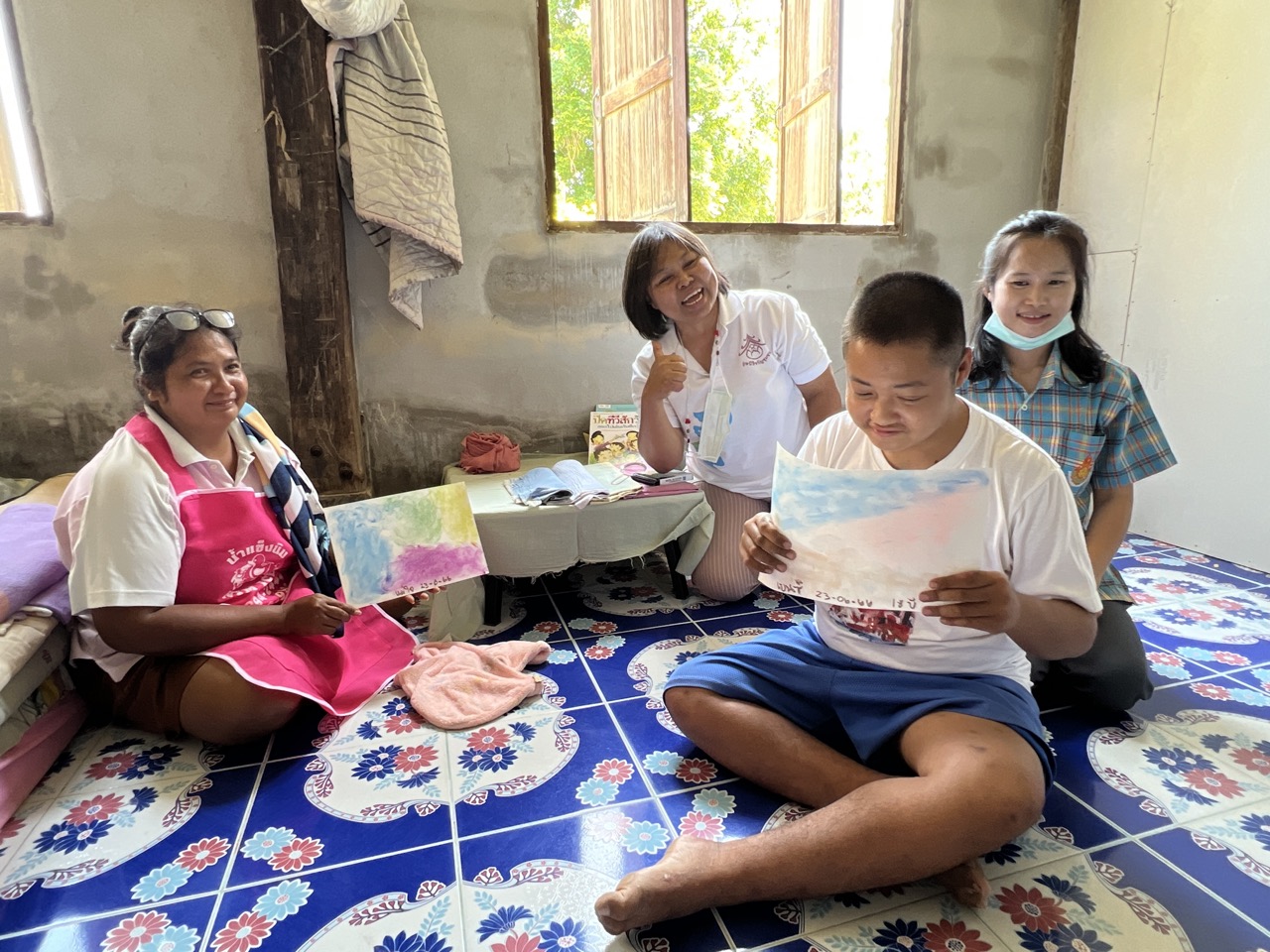
- Individualized learning and daily living support
- Home visits and personalized learning or rehabilitation plans
- Support for functional skills, communication, and daily activities
- Learning embedded in everyday routines rather than formal classrooms alone
- Caregiver and family empowerment
- Training and mentoring for caregivers and family members
- Emotional and psychosocial support for families under long-term care pressure
- Strengthening confidence, skills, and shared responsibility within households
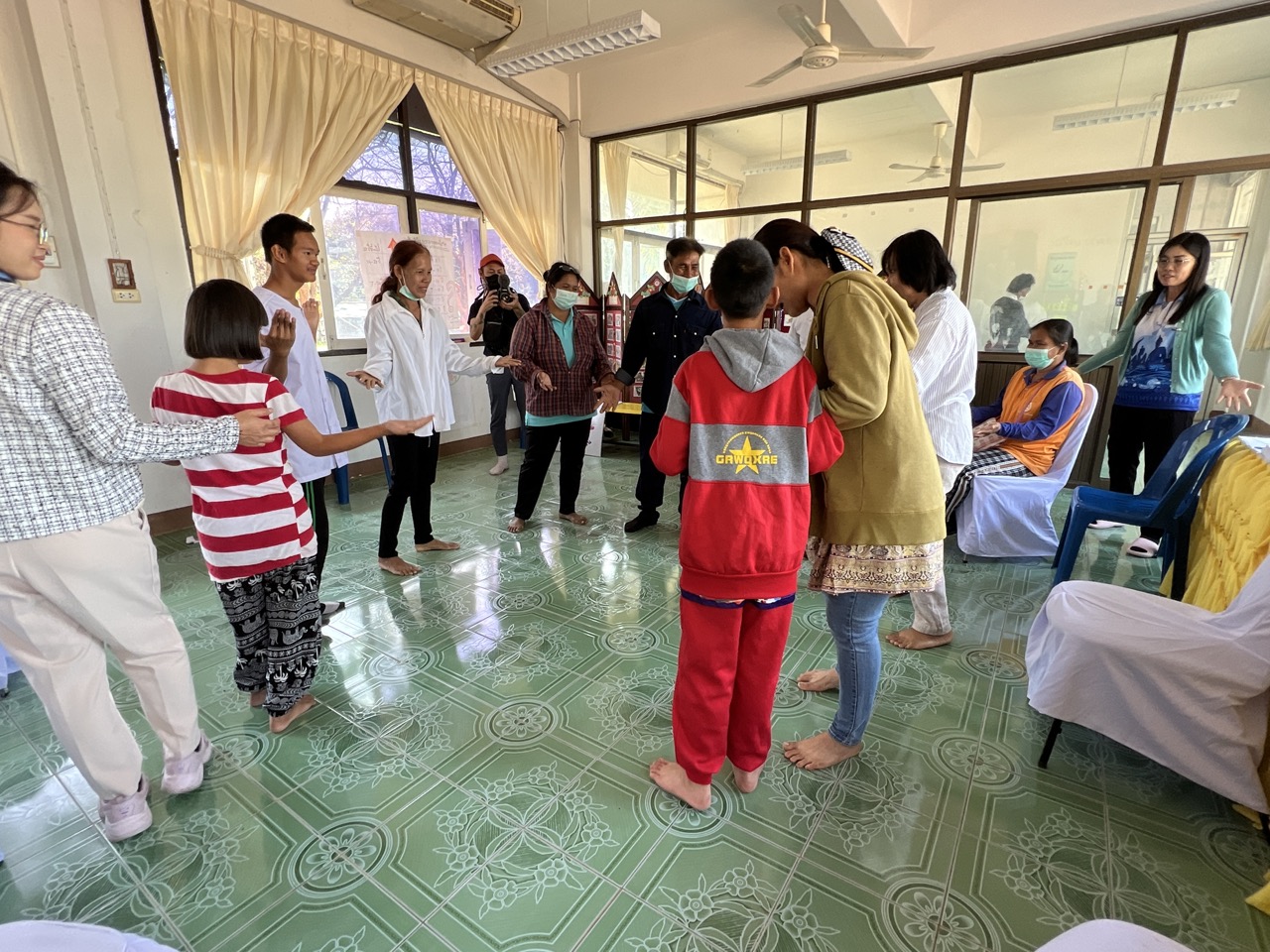
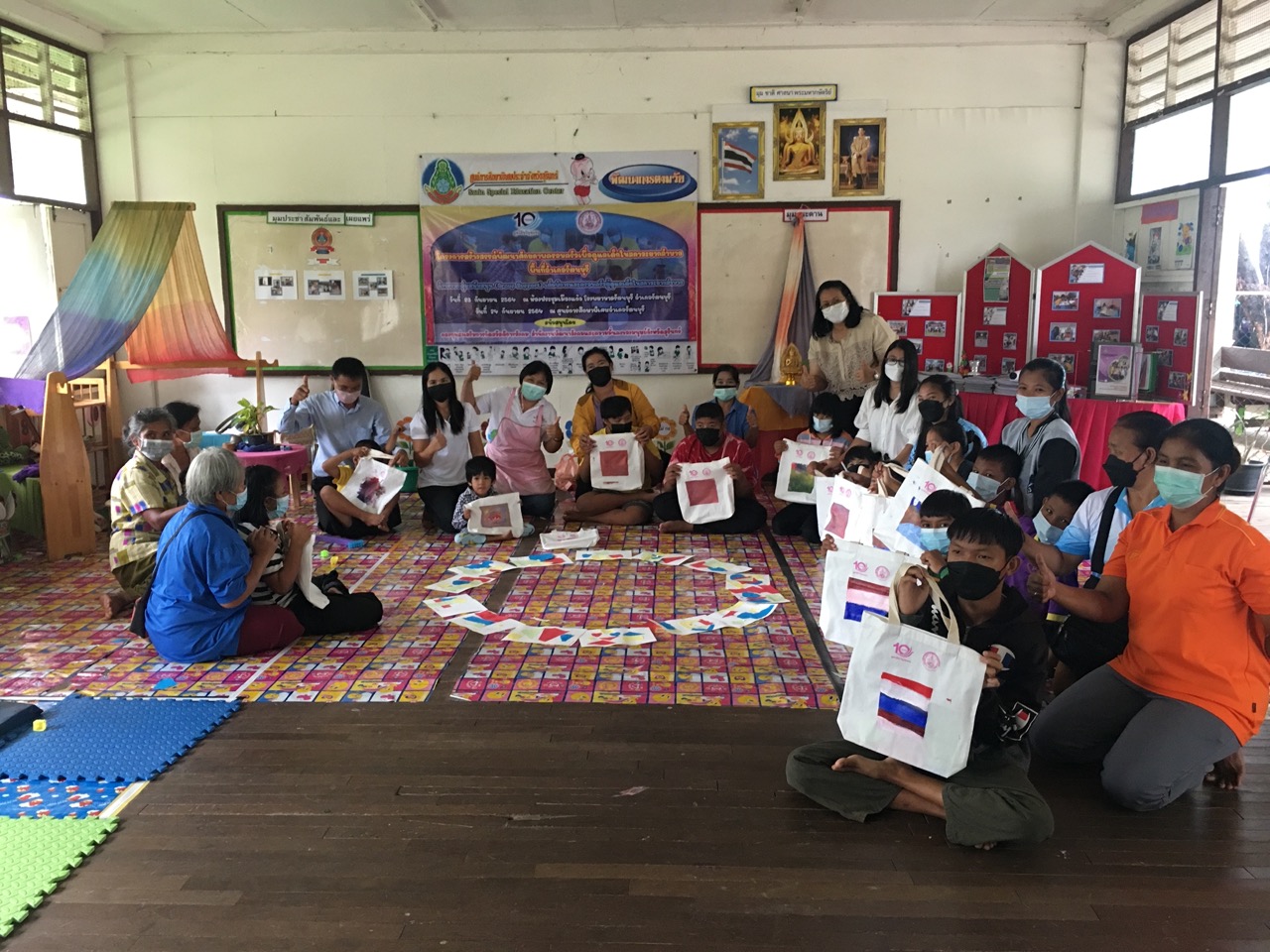
- Community-based support networks
- Training local volunteers and community facilitators to support families
- Coordinating with health, education, and social services for timely referral and follow-up
- Reducing isolation by reconnecting families to community life
This approach ensures that learning is continuous, practical, and responsive, even when formal education or institutional services are inaccessible.
Support we need
To sustain and expand inclusive learning for children and persons with disabilities, FCS seeks support to:
- Scale home modification and assistive support for families in need
- Strengthen caregiver training and psychosocial support programs
- Expand community-based learning and rehabilitation services
- Improve coordination across health, education, and social protection systems
- Invest in long-term monitoring, learning, and adaptation
Sustained partnerships enable families not only to cope—but to build safer homes, stronger skills, and more independent lives.
Inclusive learning at FCS means ensuring that children and persons with disabilities are not shaped to fit systems—but that systems, homes, and communities are shaped to support their lives.