Empowering Silk Weavers
FCS supports local Silk Weavers in Thailand with projects to educate them about health and the environment and helping to prevent their exploitation
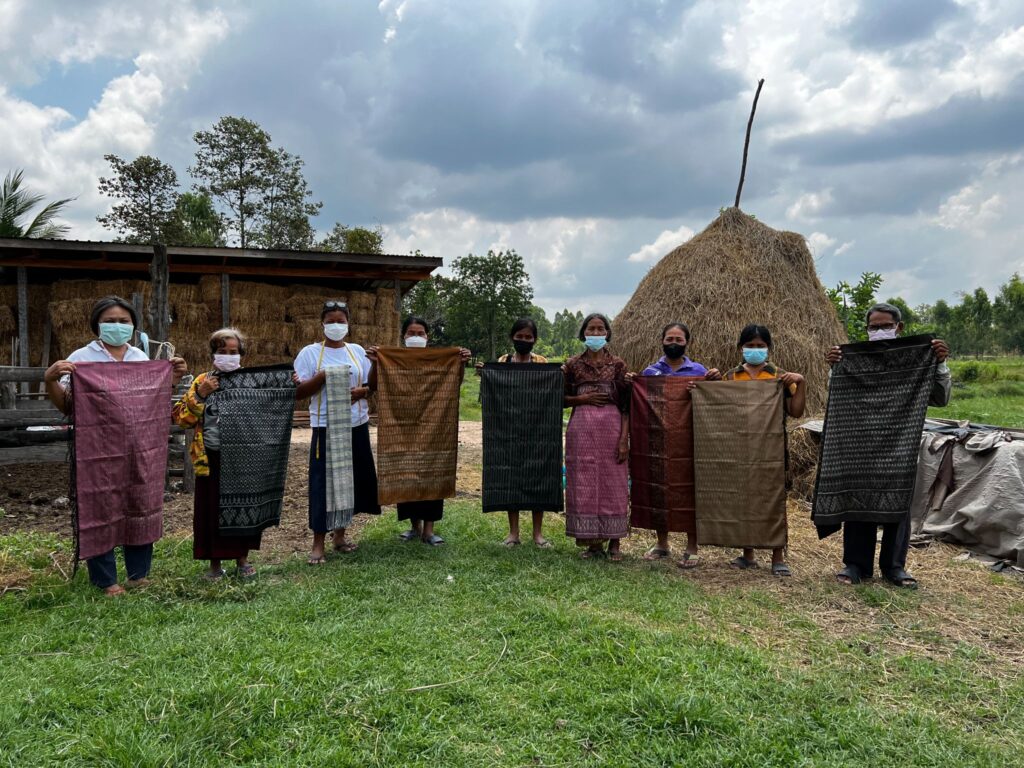
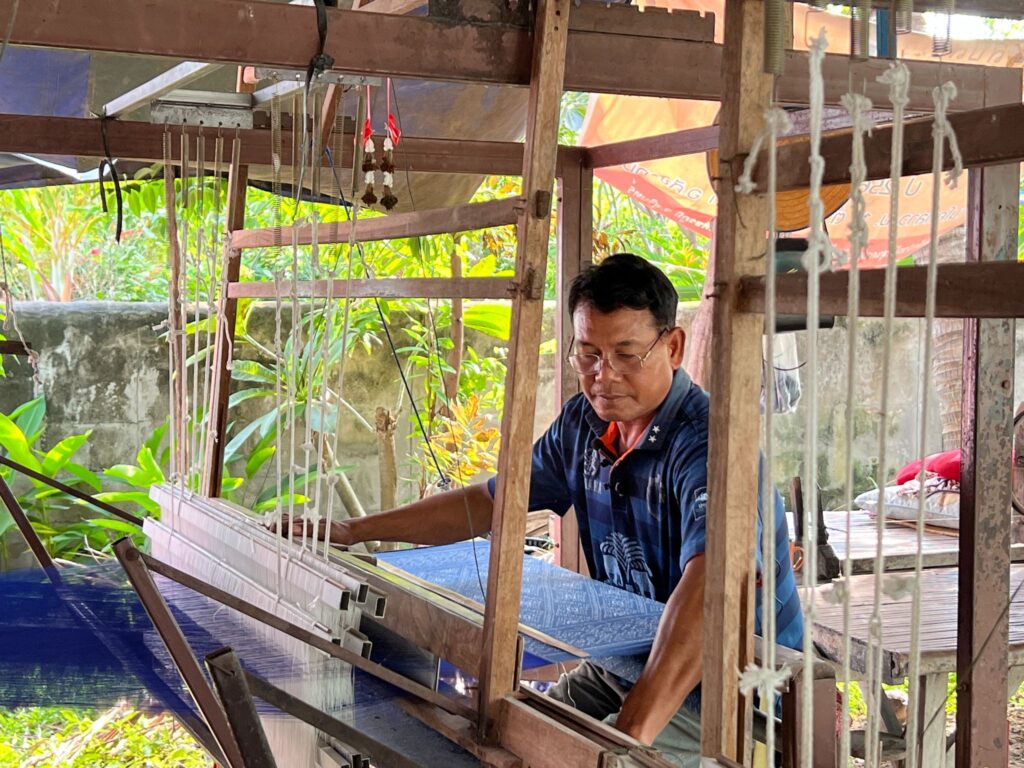
Silk is the thread connecting generations of silk weavers in Surin Province. Silk weaving is a way of life that has passed down through generations, fostering self-reliance and wisdom, from mother to daughter, grandmother to grandson and granddaughter. Today, mothers are not the primary weavers; fathers, sons, and daughters all contribute to the silk production process to sustain the household economy. Despite rapid changes in the times, the inheritance of silk weaving wisdom has not diminished. As long as we continue to use and appreciate the work of local weavers, silk will continue to serve as a woven thread connecting communities, tying together generations, providing cultural richness, family economic stability, and pride for all silk users.
The Creative Silk Group
The Creative Silk Group began its “Tak To Sai Jai Haeng Rak” project in 2014 in Charapat Subdistrict, Sikhoraphum District, Surin Province, a major silk producer supplying the province and selling domestically. Silk has thus become the primary source of income for the weavers’ families each month, in addition to their annual rice production.
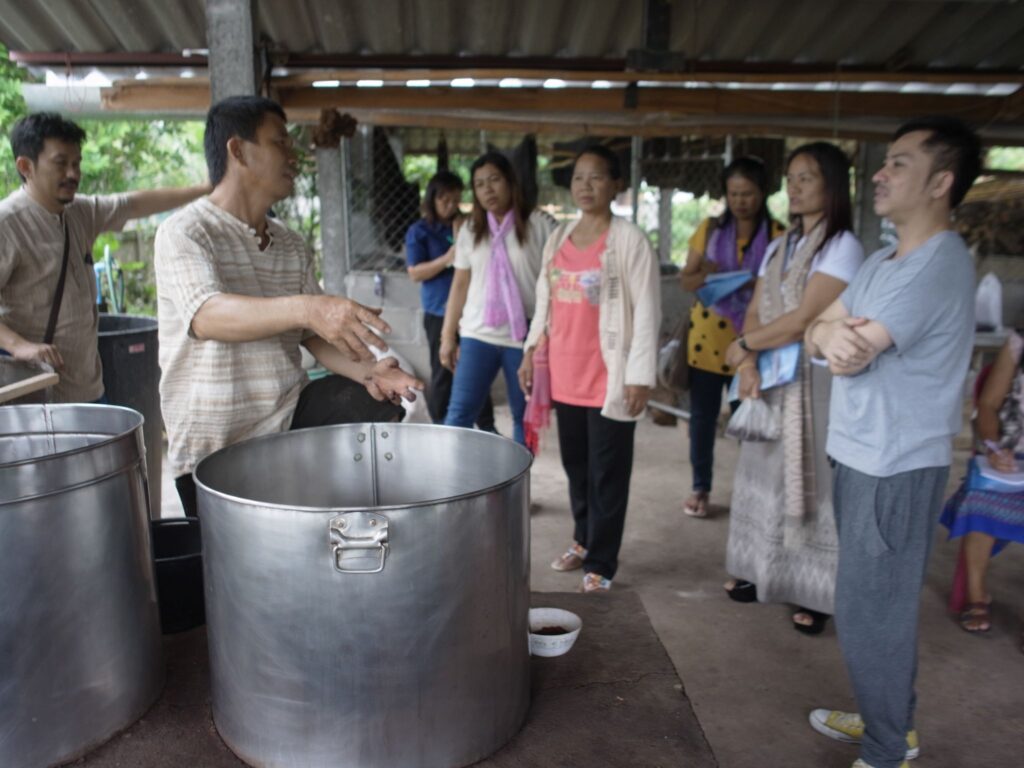
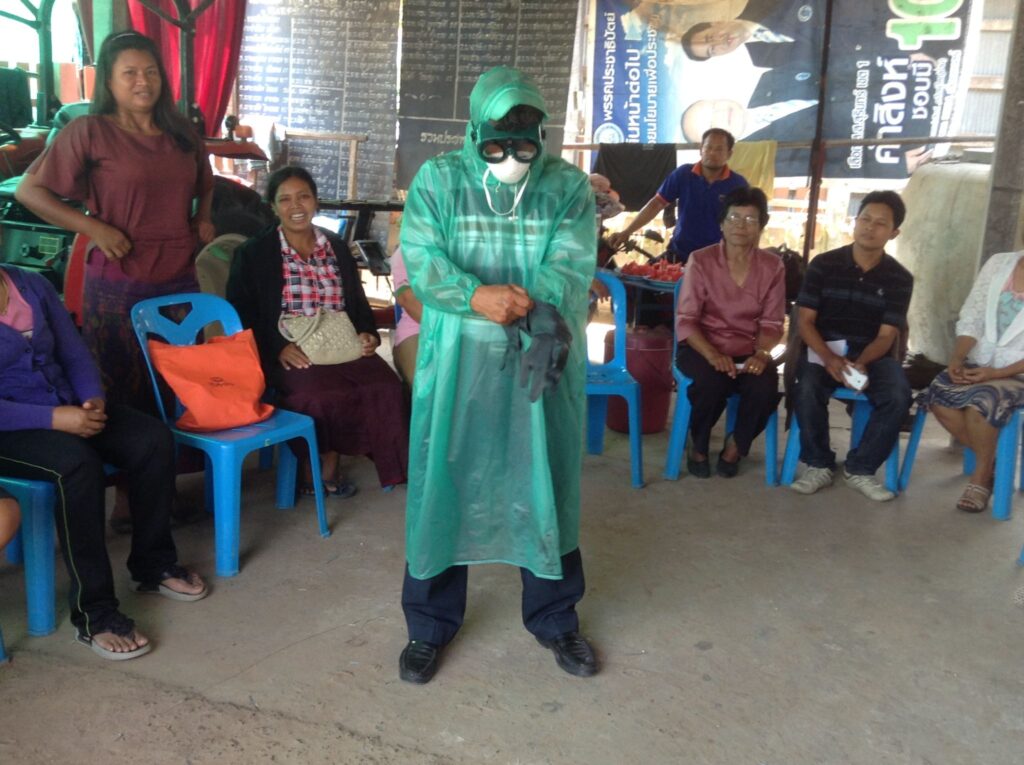
FCS also found that women weavers are at high risk of health impacts from dyeing, bleaching, and weaving. Toxins have been found to accumulate in their bodies, most of which may be due to pesticide-based agriculture and chemical dyeing.
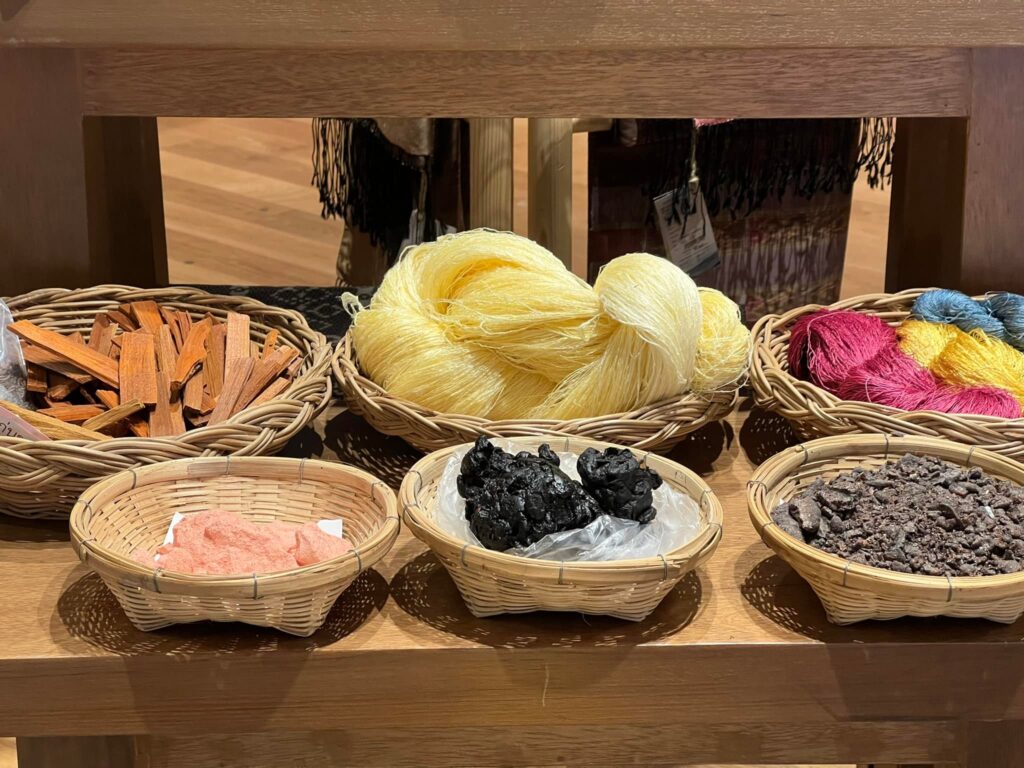
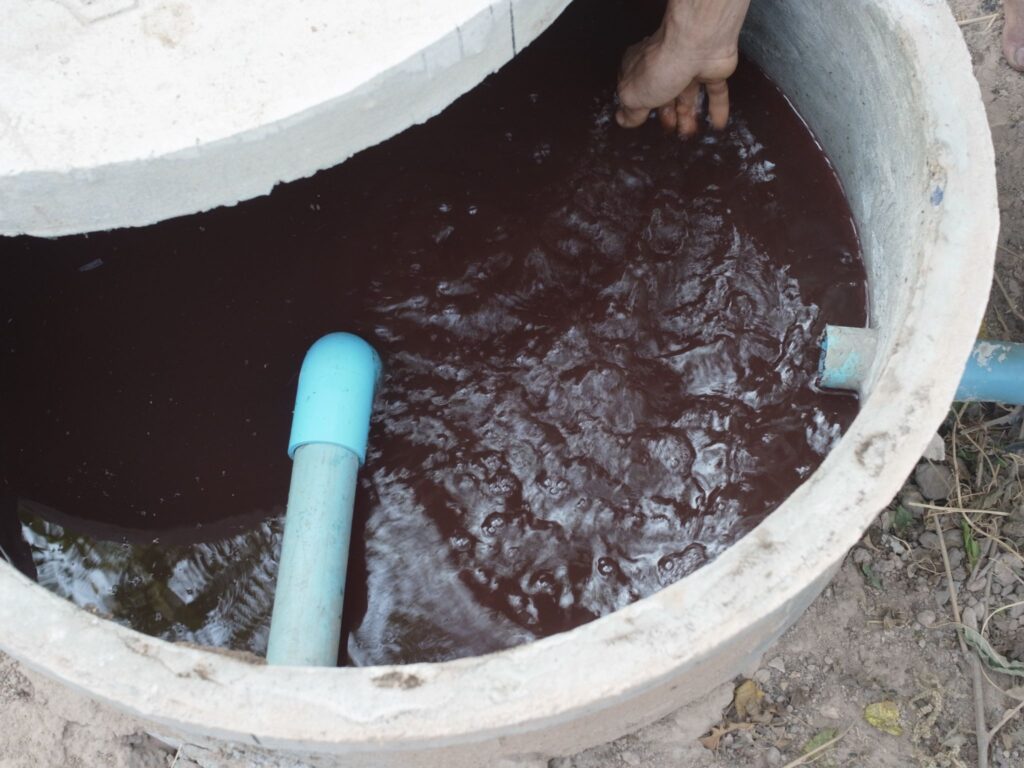
The Kwan Chumchon Foundation sent samples of silk dyes used by the weavers and found that most do not contain AZO. However, some, such as black and red, do contain AZO. Furthermore, lye washing is hazardous if inhaled without protective equipment.
While there is no clear evidence that chemical dyeing causes immediate health effects on women weavers, some individuals who dye silk with chemical dyes have developed lung perforations due to unprotected use. An elderly person has died of lung cancer, despite having dyed silk in their household as a non-smoker.
Furthermore, women weavers suffer from asthma, fatigue, and bladder infections. Or pain from weaving for a long time. Furthermore, silk weavers are burdened with accumulated debts resulting from selling silk below cost. They lack sufficient savings to invest in warp threading each round of silk weaving, which costs an average of 15,000-20,000 baht per person. Therefore , “weaving quickly and selling quickly” has become a practice that is not conducive to good health, economic stability, and negatively impacts the environment, households, and communities.
Possible Solutions
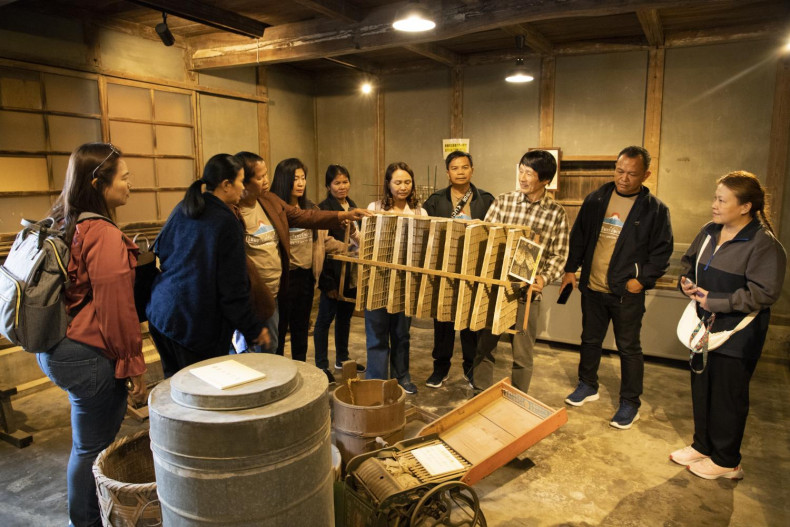
The goal of the Khwan Chumchon Foundation’s silk weaving program is to empower creative silk entrepreneurs who can create health security, economic security, and cultural security. They can pass on traditional silk weaving knowledge and skills, elevate silk to suit everyday silk use by enthusiasts, and create communities with environmental stability. FCS believes that women are a key force in driving change in the community’s silk production process, aligning with sustainable development guidelines.
Can you help to support Silk Weavers? We have a donation page and online shop, thank you
Sericulture News
Silk mavens still weaving their spell
Thai sericulture is trying to adapt to the growth of technology and the impact of global warming, with support from…
The Ministry of Agriculture promotes silk
The Ministry of Agriculture and Cooperatives has announced the promotion of silk production as a soft power, promoting processing, adding…
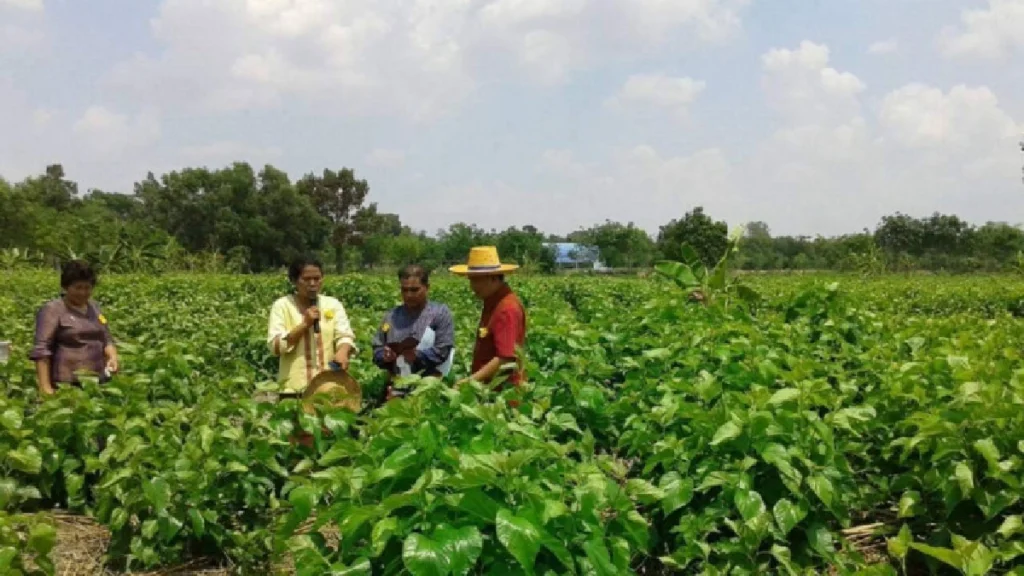
Continuing the Silk Mulberry profession
The Department of Silk Mulberry has considered the selection of outstanding farmers in the field of silk mulberry farming. In…