Community-Led Support & Creative Rehabilitation Model
1. Overview
Pathways for Youth is a youth-centered program providing safe, non-judgmental support for young people experiencing substance use alongside psychosocial and life challenges. The program prioritizes well-being, dignity, and readiness, recognizing that sustainable change requires trust, stability, and supportive environments rather than punishment or exclusion. Through community-based and recovery-informed approaches, we support young people to reconnect with learning, family, and future opportunities at their own pace.
2. Rationale: Why This Matters
Young people who use substances often face overlapping challenges, including emotional distress, family conflict, and disrupted education. Stigma and fear of punishment frequently prevent them from seeking help. Without safe and trust-based support, substance use can deepen social exclusion and limit young people’s ability to plan for their future. This program responds to the need for approaches that reduce harm, protect well-being, and support gradual re-engagement with learning and livelihoods.
3. What We Do: Empowerment & Prevention
The program focuses on the broader conditions shaping young people’s lives—not substance use alone. Support is flexible and tailored to individual readiness.
+1
Core Support Areas:
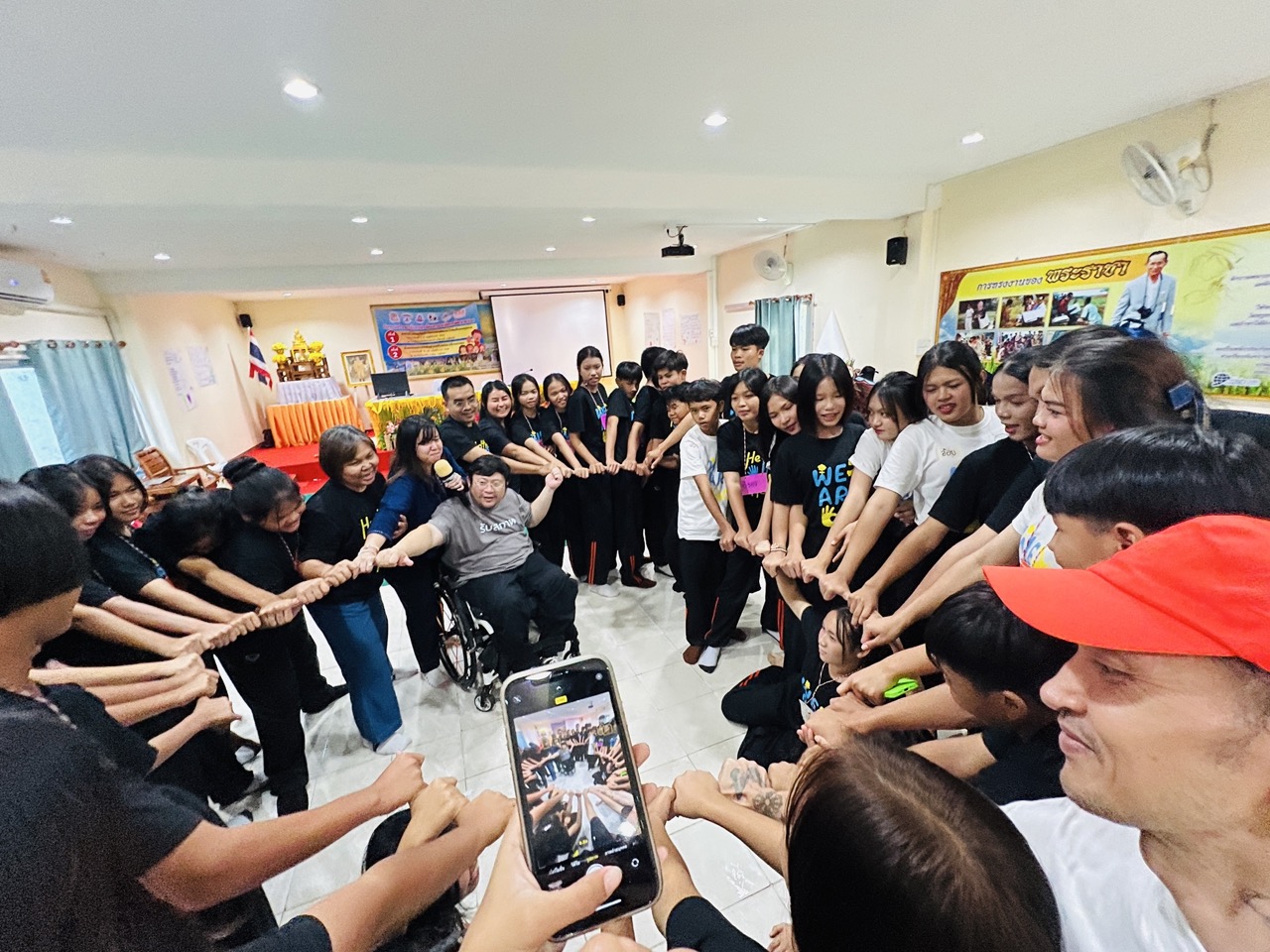
- Safe Spaces for Engagement: Dedicated environments for dialogue, reflection, and community building where youth feel secure.
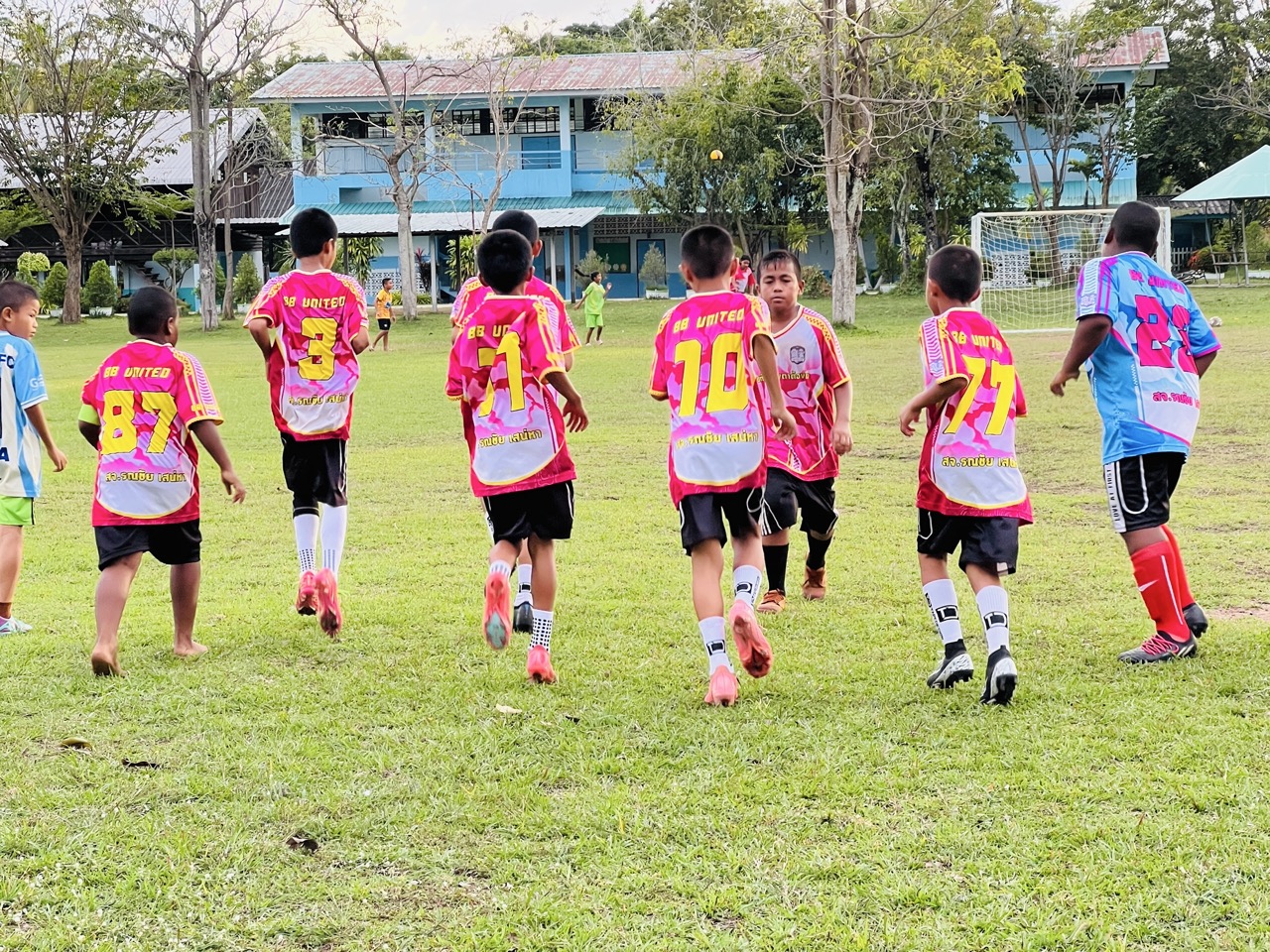
- Creative Rehabilitation: Utilizing arts, sports, and music as therapeutic tools to foster self-expression, discipline, and emotional regulation.
- Psychosocial & Emotional Support: Offering comprehensive guidance and harm-reduction strategies through a recovery-informed lens.
- Family & Caregiver Engagement: Strengthening the primary support network to ensure a stable home environment.
Preventive Elements (Early Intervention):
- Resilience Building: Implementing workshops that enhance life skills, emotional intelligence, and critical thinking to help youth navigate social pressures.
- Community Awareness: Educating local Tambon residents and peers to recognize early signs of distress and provide “first-contact” support without judgment.
- Proactive Outreach: Utilizing Tambon Transdisciplinary Volunteers to identify and engage at-risk youth before substance use patterns become entrenched.
- Peer Leadership Programs: Training local youth leaders to promote healthy lifestyles and serve as positive role models within the district.
4. Operational Model: The Tambon Volunteer Framework
We apply a non-punitive, community-based approach through the following mechanism:
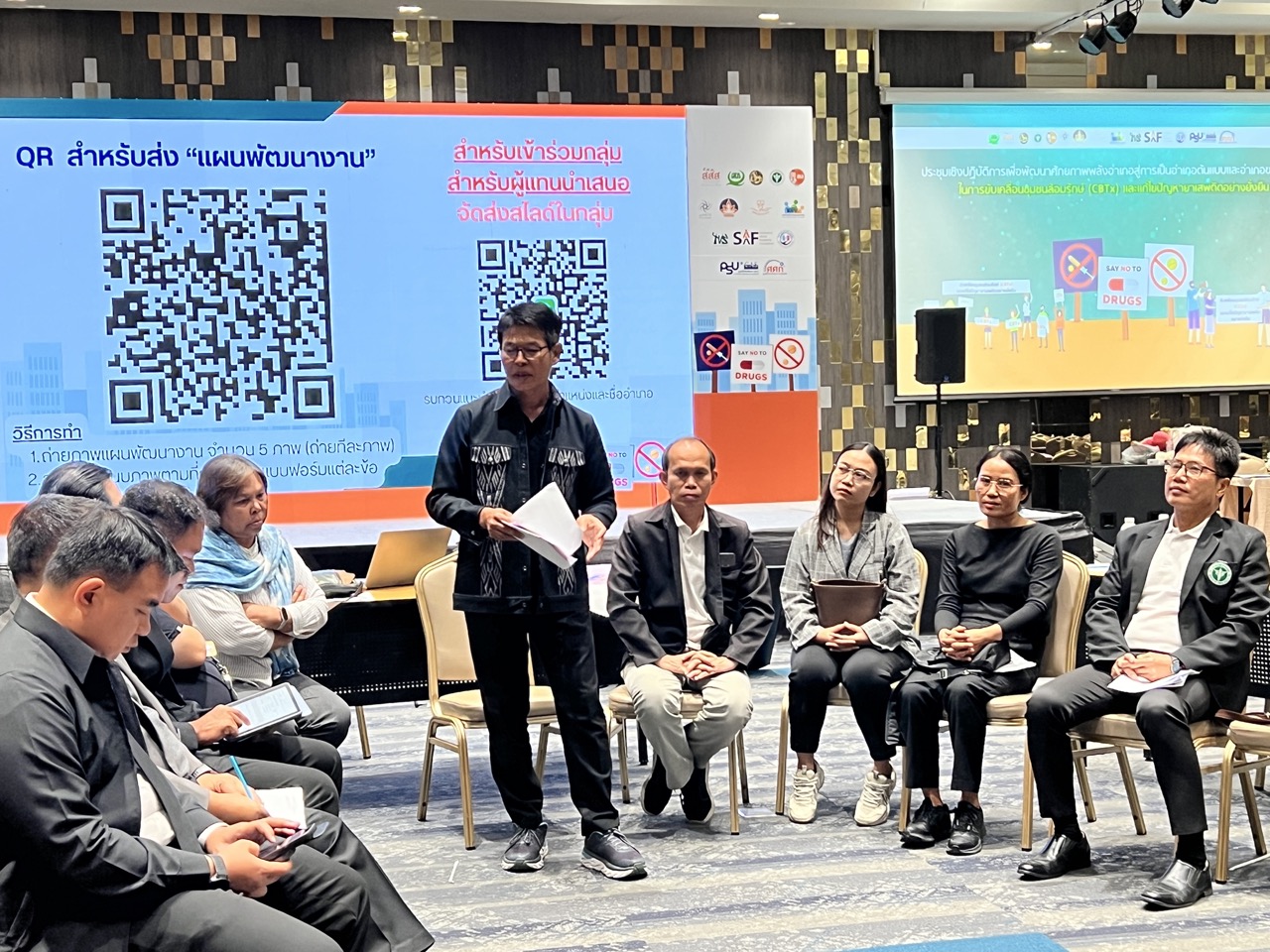
- Tambon Transdisciplinary Volunteers: Mobilizing a diverse group of local volunteers to work directly within their communities, creating safe spaces and providing consistent care.
- Building Trust: Establishing respectful and voluntary engagement to ensure long-term stability and rapport with the youth.
- District-Level Coordination: Partnering with health services, mental health professionals, and social departments for specialized support when required.
- Pathway Transitions: Allowing young people to progress at their own pace toward education, skills training, or livelihoods when they are ready.
5. Expected Outcomes
Through this integrated approach, young people are supported to:
- Improve emotional well-being and coping capacity.
- Reduce health and social risks associated with substance use through safer, creative outlets.
- Strengthen relationships with family and trusted community adults.
- Increase readiness to re-engage in education, training, or livelihoods.
- Build safer, more stable, and empowered pathways toward adulthood.