Pathways for Youth and Informal Workers (NEET)
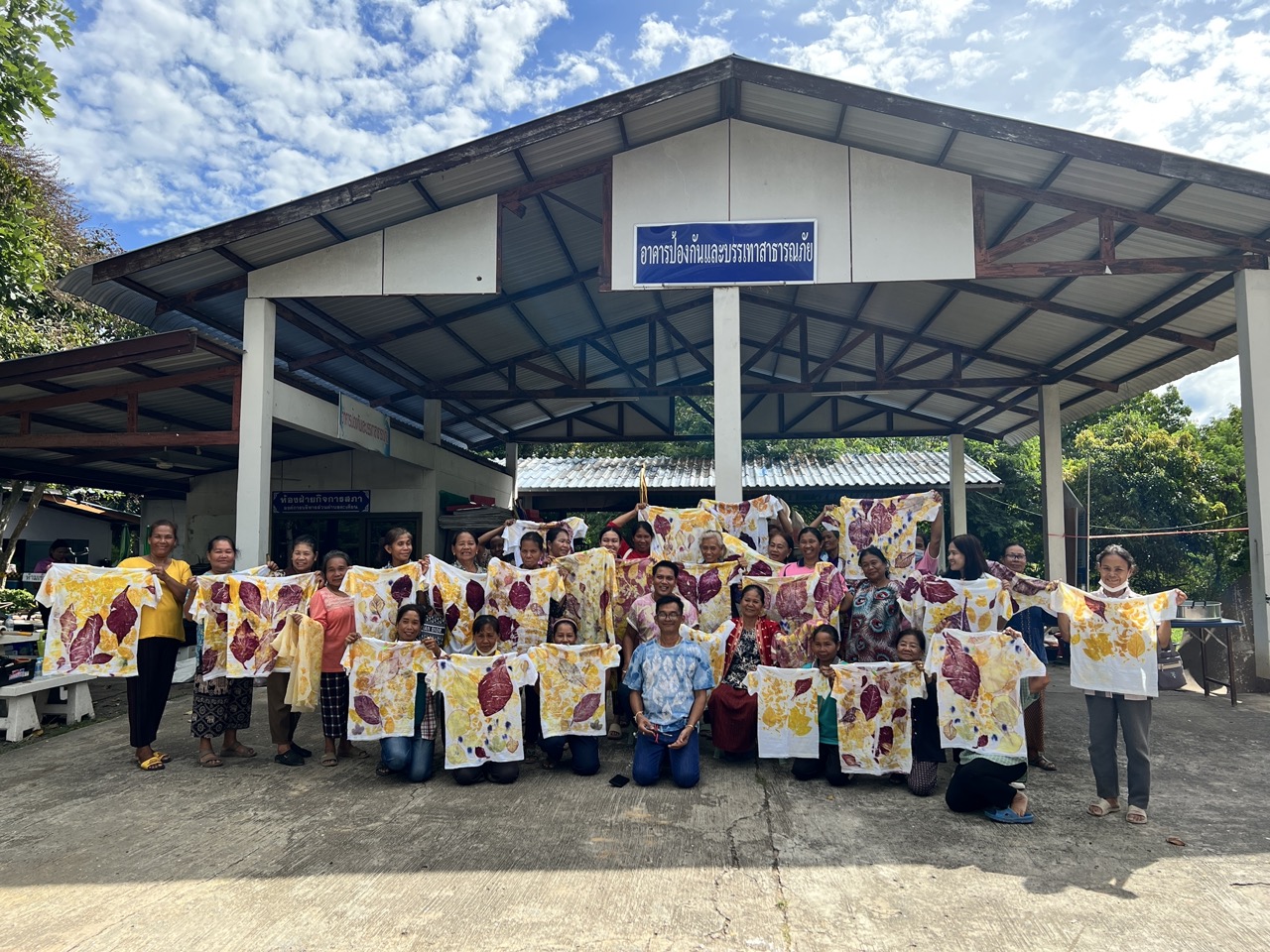
Learn-to-Earn and Resilience
WHY
Young people who are Not in Education, Employment, or Training (NEET) face exclusion not because of a lack of potential, but because learning and labor systems are not designed to support interrupted pathways. Early school disengagement, economic pressure, family responsibilities, and psychosocial stress disrupt their transition into stable livelihoods.
At the same time, many informal laborers—particularly adults in their 40s and 50s—are returning to their home villages after years of unstable urban employment. While they bring experience and determination, they often lack updated skills, digital readiness, and structured opportunities to adapt to changing rural economies.
Despite training programs and employment schemes, access remains uneven and short-term. Without flexible learning pathways, financial support, and local ecosystem linkages, cycles of underemployment and disengagement persist.
FCS advances community-based learn-to-earn systems that enable youth and returning workers to relearn, reskill, and upskill—strengthening dignity, stability, and long-term economic participation.
WHAT WE DO
FCS strengthens structured yet flexible learning pathways that reconnect individuals to education, livelihoods, and community life.
We work with:
- NEET youth rebuilding confidence and direction
• Informal and returning laborers adapting to local economies
• Families navigating economic transition
Our pathway integrates:
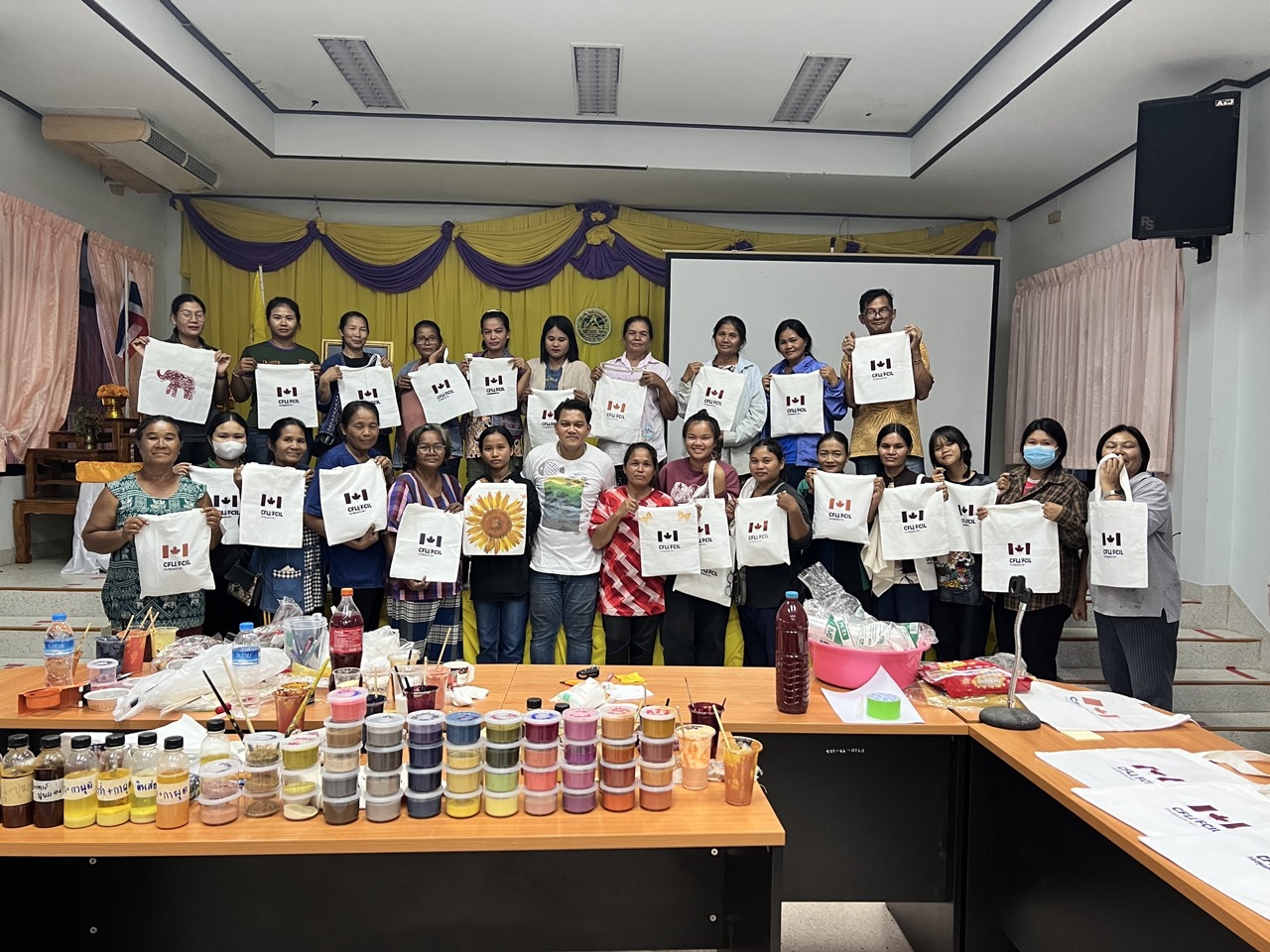
- Life skills and resilience development
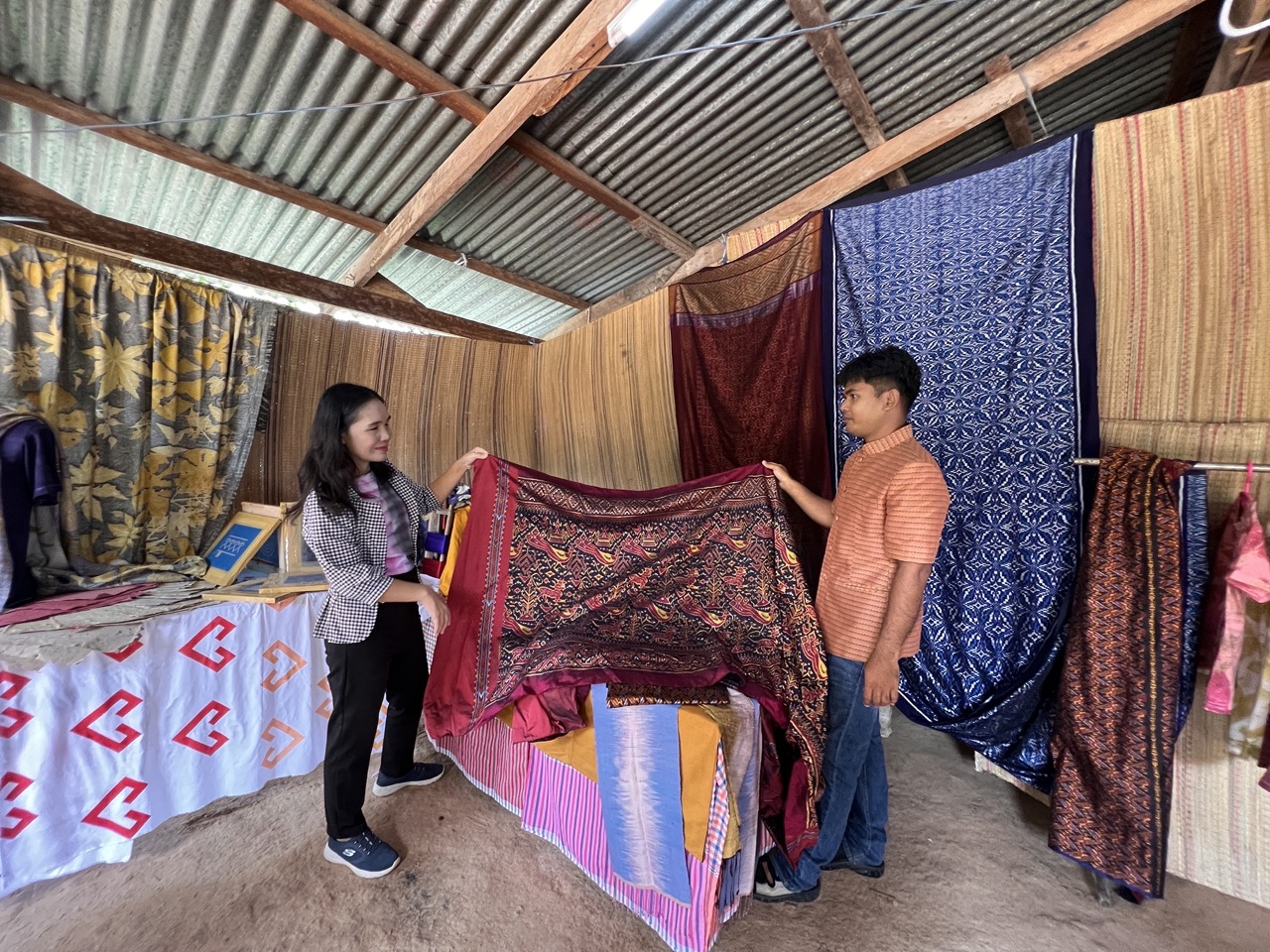
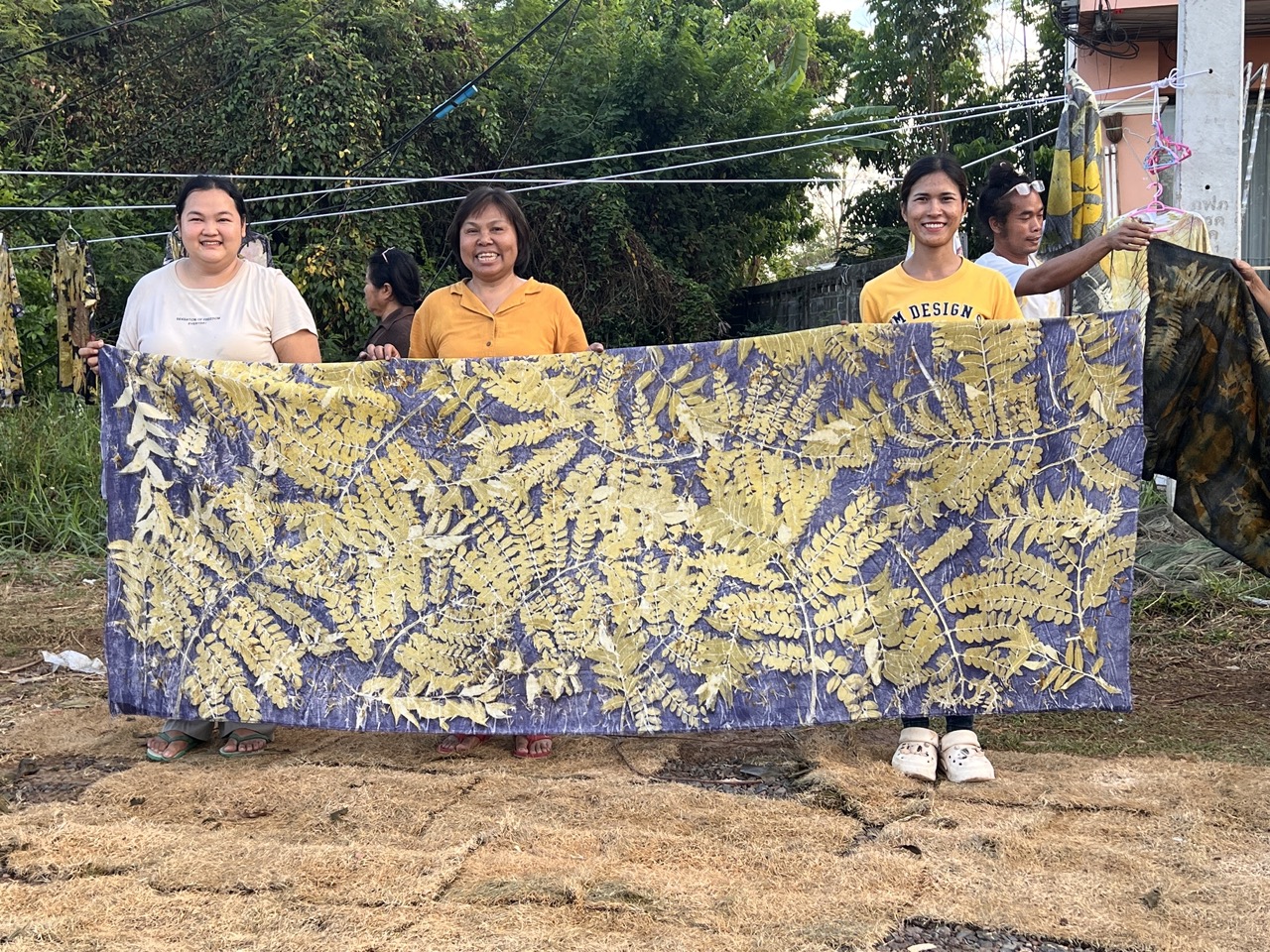
• Vocational and technical training linked to local value chains
• Digital literacy and adaptive competencies
• Mentorship and peer learning
• Enterprise exposure and local market engagement
• Access to Education Center Section 12 academic pathways, enabling participants to complete accredited study, receive certificates of graduation, and pursue higher education if they choose
Learning is paced according to readiness and grounded in real practice. Participants may follow vocational, enterprise, or academic tracks aligned with their goals. The focus is sustained participation—not short-term placement.
To reduce structural barriers, FCS supports a Learning Scholarship of 10,000 THB per participant per year, ensuring equitable access to training, certification, tools, and continued learning.
HOW WE WORK
FCS applies a community-linked ecosystem approach that integrates learning, psychosocial support, academic progression, and livelihood transition.
We:
- Conduct individual assessment and pathway planning
• Deliver relearn–reskill–upskill modules aligned with local economies
• Provide access to accredited academic completion through Education Center Section 12
• Connect participants to mentors and community enterprises
• Accompany transitions into employment, enterprise engagement, or higher study
• Provide scholarship support to reduce dropout risk
Learning pathways remain adaptive to participant readiness and responsive to community realities, ensuring relevance and sustainability.
IMPACT AND SYSTEM CHANGE
Individuals gain confidence, practical skills, and recognized academic credentials.
Families experience increased stability and reduced economic pressure.
Communities benefit from renewed participation in local enterprises and value chains.
At the system level, FCS demonstrates how integrated, community-based learn-to-earn ecosystems—linking informal labor transitions with accredited education pathways—can reduce long-term exclusion and strengthen rural economic resilience.
SUPPORT WE NEED
To expand this pathway, FCS seeks investment in:
- Learning Scholarships (10,000 THB per participant per year)
• Academic delivery and certification costs
• Community facilitators and mentors
• Training modules and digital learning tools
• Enterprise exposure and transition systems
An investment in relearning, reskilling, and accredited education strengthens individuals, families, and rural economies.