Sustainable Sericulture
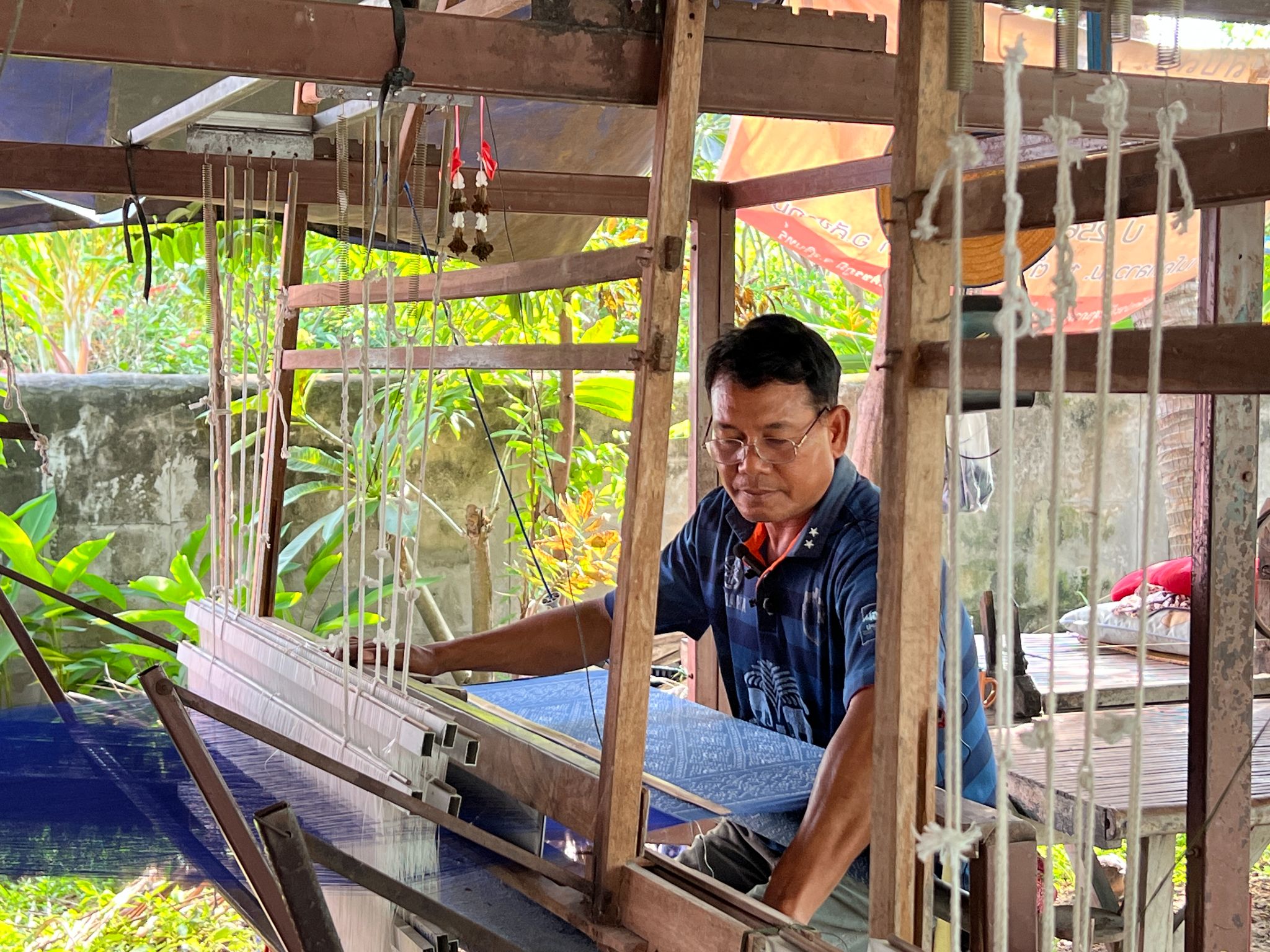
Why
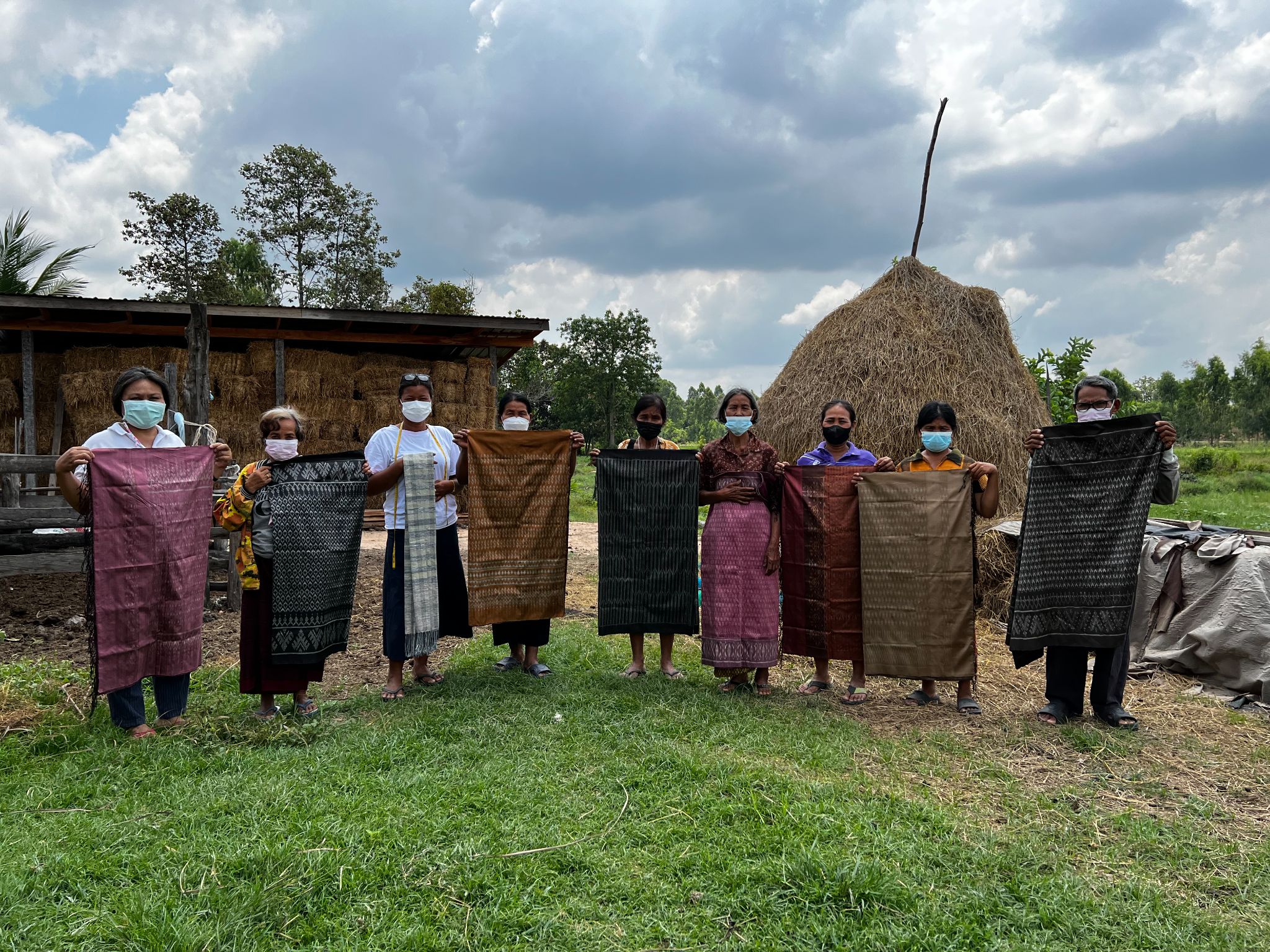
Women and families in rural silk communities rely on sericulture for income, yet many producers face unstable markets, rising production costs, health risks from chemical dyeing, and accumulated household debt. Short-term “weave faster, sell quickly” practices can bring quick cash, but they often weaken long-term health, household stability, and the ability of communities to sustain quality and value over time.
At the same time, many young people in silk-producing communities lack clear pathways that connect learning to meaningful work. Without enterprise skills, mentoring, and practical financial systems, sericulture remains labor-intensive while staying economically fragile.
What We Do
We advance sustainable sericulture by strengthening both safe, higher-quality production and community enterprise systems—so silk communities can learn, earn, and grow with stability. Key areas include:
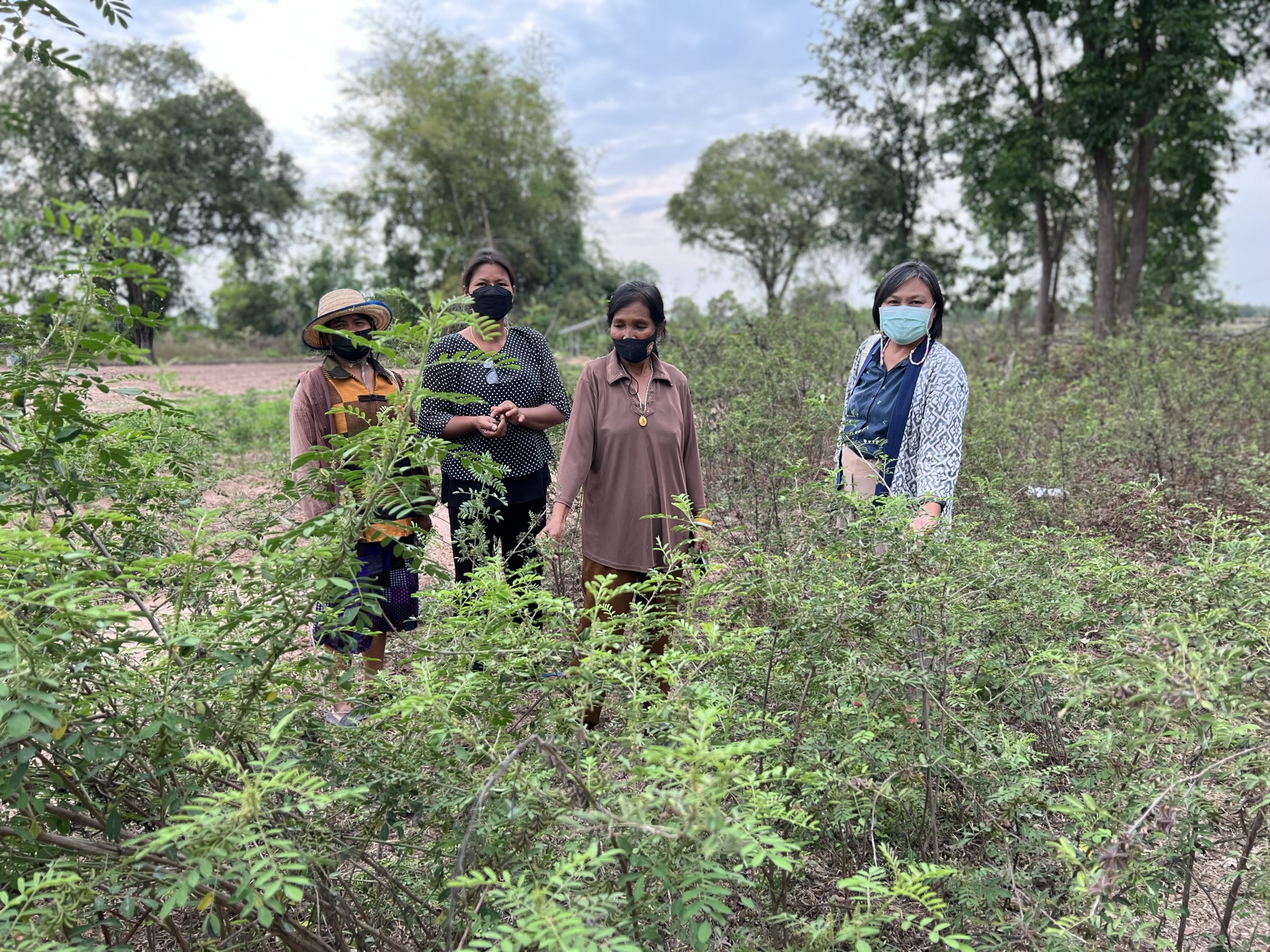
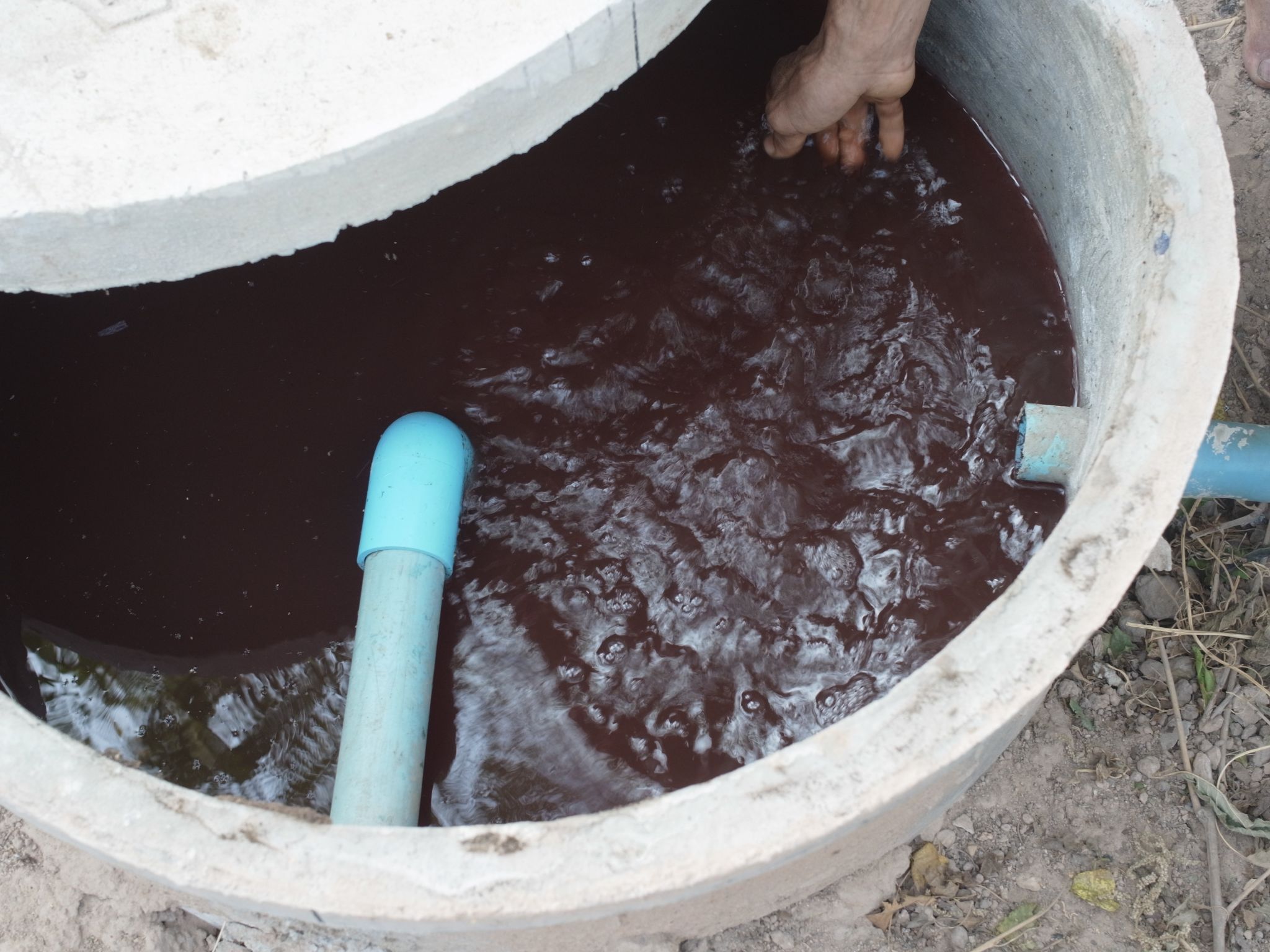
- Safer silk production through natural dyeing and improved practices
- Product quality improvement and diversification for everyday and responsible markets
- Savings groups, financial literacy, and debt reduction at household level
- Community enterprise development, leadership, and fair pricing systems
- Learning-to-earn pathways and decent work opportunities for young people
How We Work
1) Skills + Safe Production
Hands-on training in reeling, weaving, natural dyeing, finishing, and quality control—linked directly to real production cycles and market demand.
2) Community Enterprise Systems
Support savings groups, cost calculation, bookkeeping, business model canvas workshops, transparent pricing, and collective decision-making.
3) Youth Decent Work Pathways
Apprenticeships, digital literacy, product photography, online marketing, packaging, and customer communication skills—connecting youth to real income opportunities.
4) Mentoring + Market Linkages
Peer mentoring, exposure visits, and partnerships with ethical buyers, designers, and social enterprises.
How You Can Support Us
1. Direct Market Support
- Purchase silk products (bulk or retail).
- Commission custom-designed pieces.
- Pre-order seasonal collections to reduce risk for weavers.
- Introduce FCS silk to ethical brands, concept stores, or corporate gifts markets.
2. Invest in Skills & Youth Pathways
- Sponsor one young apprentice (training + mentoring package).
- Support digital marketing equipment (camera, lighting, training).
- Fund business coaching or enterprise incubation workshops.
3. Strengthen Community Enterprise
- Provide seed capital for savings groups.
- Fund natural dye materials and eco-friendly equipment.
- Support product development and prototype testing.
4. Become a Knowledge or Market Partner
- Offer pro-bono mentoring (design, branding, finance).
- Co-host exhibitions or silk heritage events.
- Support storytelling and documentation of silk heritage.